Ear infections are a common health concern that can affect both children and adults. They can hurt, make you feel bad, affect your hearing, and occasionally even make you have a fever or leak fluid. When people start to have symptoms like ear discomfort, plugged ears, or hearing loss, many of them seek the best Ear Treatment in Ahmedabad. Knowing the different types of ear infections will help you identify the issue early on and receive the right medical attention before it worsens.
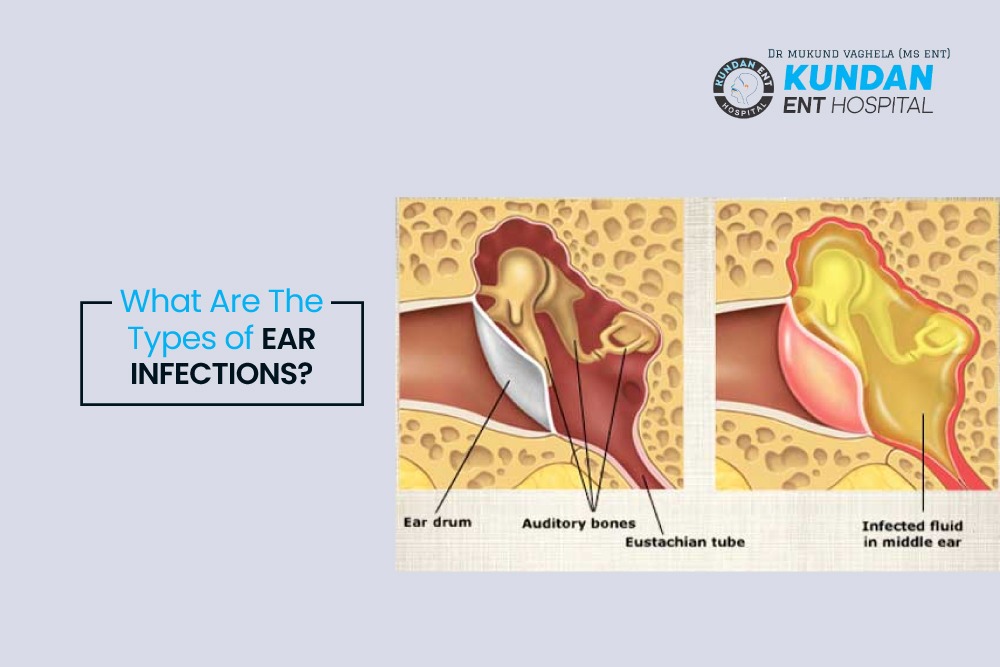
About ear infections
An ear infection often occurs when bacteria, viruses, or fungi enter the ear. The outer ear, middle ear, and inner ear are the three primary components of the ear. The type of illness and symptoms may vary depending on which part of the body is affected. Some infections are small and resolve on their own, whilst others require immediate medical attention.
Different Kinds of Ear Infections
1. Infection of the outer ear
Otitis externa is another name for an outer ear infection. It affects the ear canal, which is the tube that connects the outer ear to the eardrum. This illness is sometimes called swimmer's ear because it can arise when water sits in the ear for a long period.
- Too much wetness in the ear
- Hurt from nails or cotton swabs
- Growth of bacteria or fungi
- Allergies or inflammation of the skin
Signs :
- Itching in the ear
- Swelling and redness
- Pain while touching the ear
- Discharge of fluid
- Hearing problems that come and go
You can generally cure this kind of infection with ear drops and good ear care.
2. Infection in the middle ear
A middle ear infection is referred to medically as otitis media. It develops below the eardrum and is one of the most common ear infections, particularly in children. It typically occurs when fluid accumulates in the middle ear after a cold, throat infection, or sinus infection.
Some common reasons are :
- Infections caused by viruses or bacteria
- The Eustachian tube is blocked.
- Flu and cold
- Allergies
Signs :
- Pain in the ear
- Temperature
- Trouble hearing clearly
- Feeling full in the ear
- Irritable children
- In certain circumstances, fluid drainage
Middle ear infections can sometimes resolve on their own, but if they recur, you should always contact a doctor.
3. An infection in the inner ear
Infections in the inner ear are less common but more unpleasant. These infections harm the deeper part of the ear, which is critical for hearing and balance. The disease may induce inflammation, making you dizzy or lightheaded.
Some common causes are :
- Infections caused by viruses
- Inflammation after a cold or flu
- Spread of an infection that hasn't been treated
Signs :
- Dizziness or vertigo
- Feeling sick
- Problems with balance
- Changes in hearing
- Ringing in the ears
The inner ear is in charge of balance, and symptoms might seem worse and make it hard to do everyday things.
4. Long-Term Ear Infection
A chronic ear infection is one that comes back again and again or lasts for a long time. It generally affects the middle ear and can arise if an infection that came before it wasn't entirely healed. If you don't treat chronic infections, they can occasionally hurt the tissues in your ear or your hearing.
Signs :
- Pain in the ear that doesn't go away
- Fluid coming out over and over
- Loss of hearing
- Pressure in the ear
- Infections that happen often
To avoid complications, this type of sickness must be properly recognised and treated for an extended period.
5. Ear Infection from Fungus
Fungal infection in the ear is another sort of outer ear infection, which is caused by fungus instead of bacteria. It is more likely to happen when the weather is humid or when the ear is wet for too long.
Signs :
- Very itchy
- Pain in the ear
- Discharge that is white, black, or yellow
- Blocked sensation in the ear
- Hearing loss that isn't too bad
Fungal ear infections need special care since ordinary antibiotic drops might not work.
What Makes Ear Infections Happen?
There are a number of reasons why ear infections can happen. Some frequent reasons are :
- Infections of the cold and respiratory system
- Allergies
- Water is stuck in the ear
- Bad habits when it comes to cleansing your ears
- Buildup of wax
- Immunity that isn't strong
- Infections in the sinuses
Ear infections are more common in kids because their ears are still growing, but adults can still acquire them.
When Should You Go to the Doctor?
Don't dismiss ear problems, especially if they continue longer than a day or two. If you see any of the following, you should get medical help :
- Pain in the ear that is quite bad
- Fever and pain in the ear
- Pus or fluid coming out
- Hearing loss all of a sudden
- Feeling dizzy or off-balance
- Getting ear infections over and over again
Getting the appropriate therapy on time might stop the infection from spreading or hurting your hearing.
How to Keep Ear Infections from Happening
There are a few easy things you can do to lower your chance of getting an ear infection :
- Keep your ears dry after swimming or having a bath.
- Don't put sharp things or cotton swabs in your ear.
- Get rid of colds and allergies on time.
- Take good care of your ears.
If you have ear discomfort or discharge that keeps coming back, see a doctor.
Last Words
There are three types of ear infections: outer, middle, and inner. There are different reasons and signs for each kind. Some are modest, but others need to be treated right away to avoid pain and hearing loss. If you know what kinds of ear infections there are, you can take the proper actions at the right time. If you have ear discomfort, obstruction, discharge, or trouble hearing, getting the right medical care at Kundan ENT Hospital can make a great impact.